
Choosing the right print finishing options can completely change how a printed piece is perceived, handled and remembered. Strong finishing techniques for print improve durability, add tactile interest and create visual effects that help designs stand out in competitive environments.
Below are five essential finishing techniques, what they do, when to use them and which print formats benefit most.
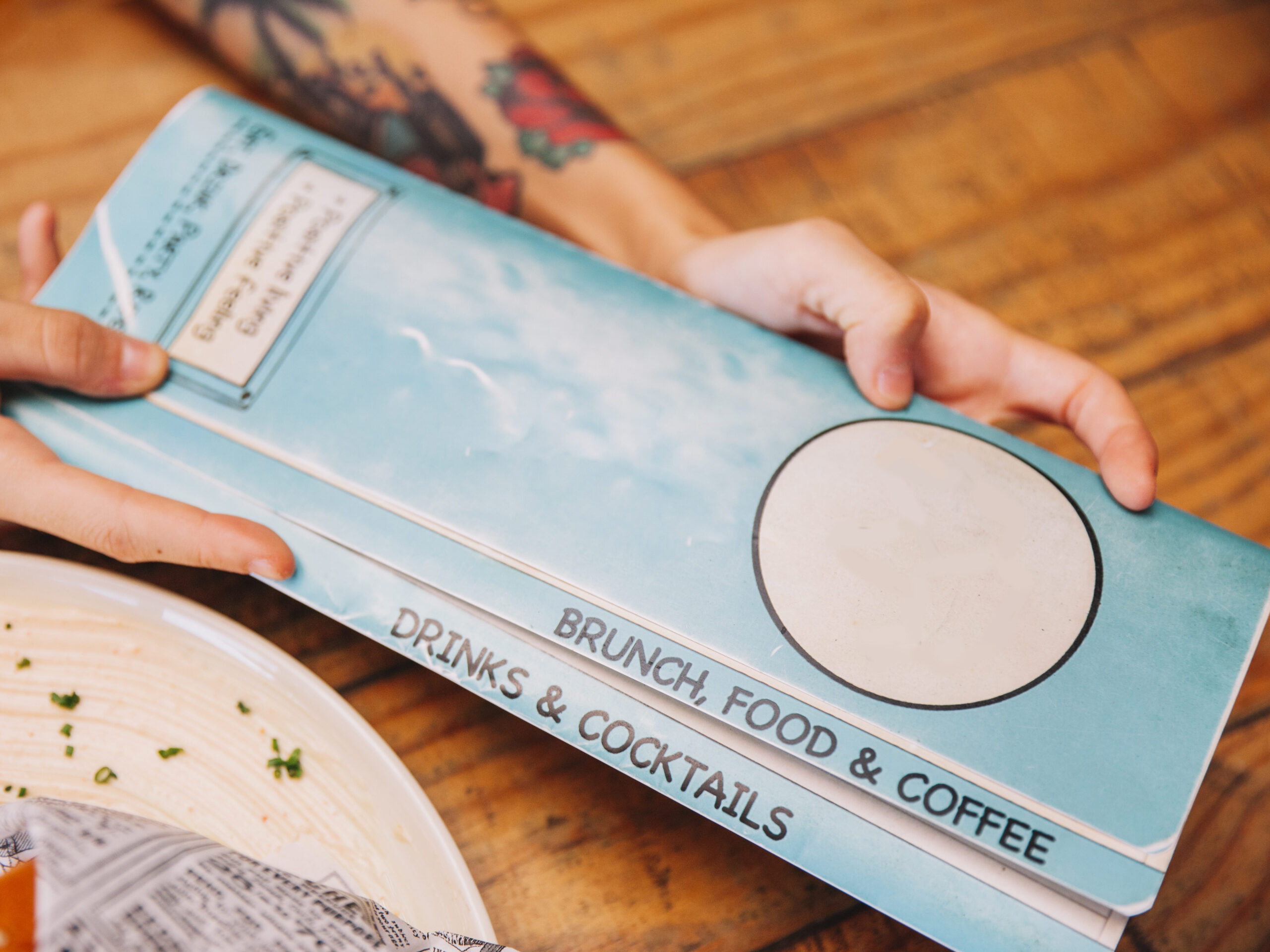
Lamination is one of the most common print finishing options, applying a protective film over printed surfaces while also altering their look and feel.
What effect it creates
When to use it
Use lamination when printed materials need extra durability or when handling frequency is high. It also enhances perceived quality for client-facing or promotional pieces.
Best suited formats
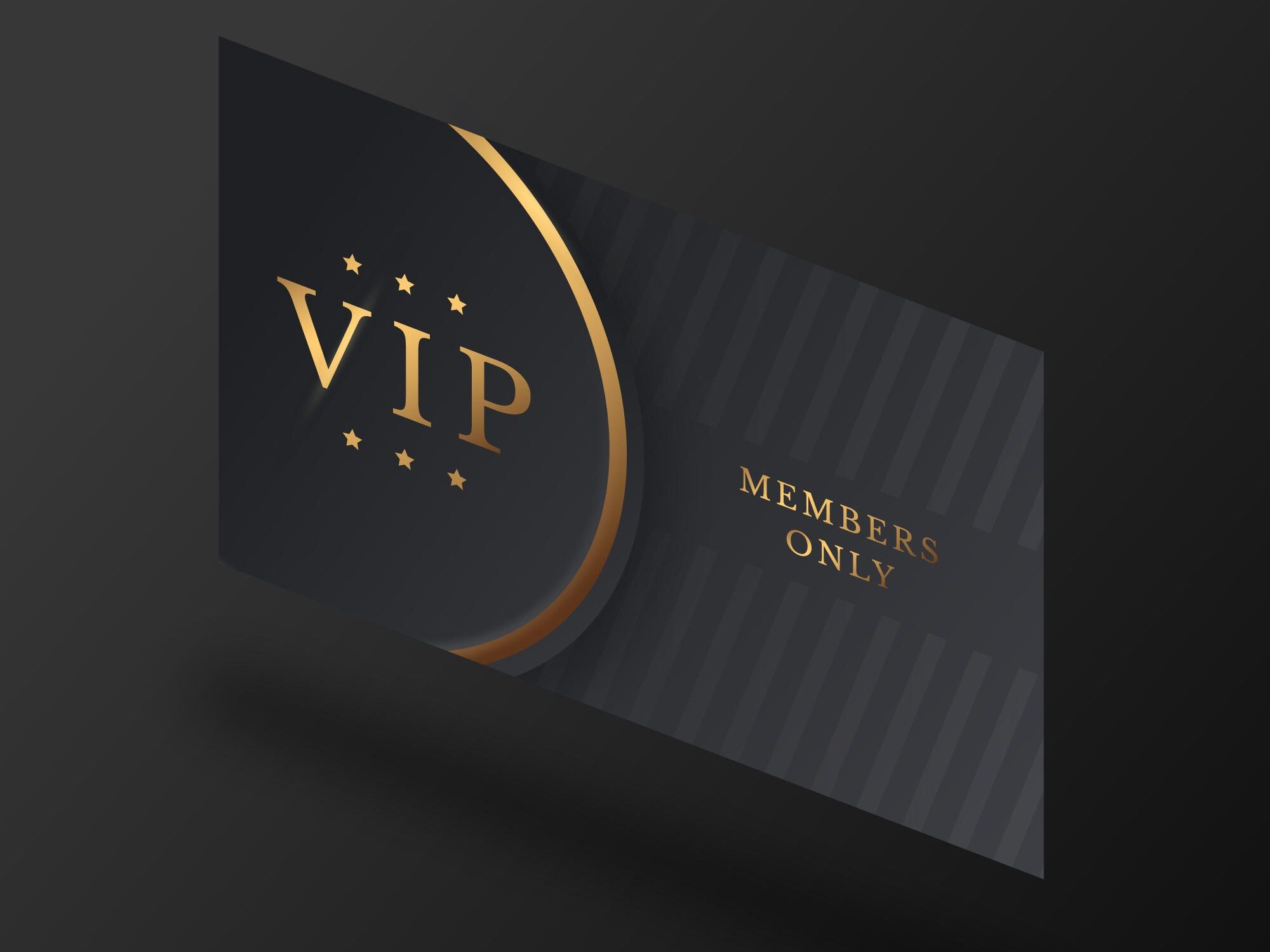
Spot UV applies a high-gloss varnish to selected areas of a printed design while leaving the rest of the surface matt or uncoated.
What effect it creates
When to use it
Spot UV is ideal when specific parts of a design, such as logos or imagery, need emphasis without changing the overall colour balance.
Best suited formats
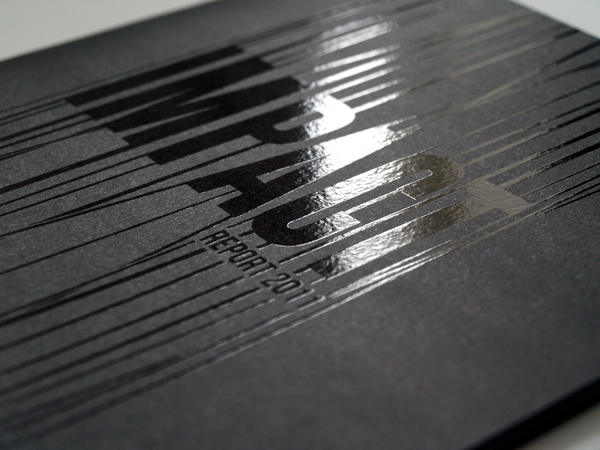
Drip-off varnish combines matt and gloss coatings in a single process, creating subtle contrast and texture across printed areas.
What effect it creates
When to use it
Drip-off varnish works best when you want a refined effect that enhances design detail rather than dominating it. It is particularly effective for imagery and patterned backgrounds.
Best suited formats
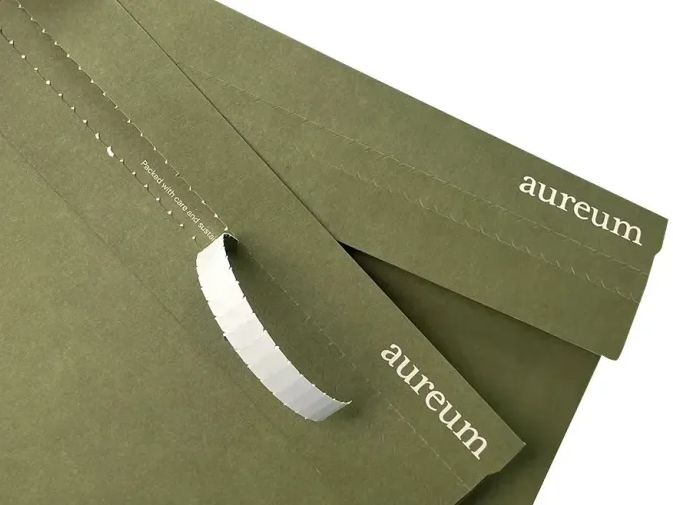
Perforation introduces a series of precise micro-cuts that allow sections of a printed piece to be removed cleanly by hand.
What effect it creates
When to use it
Use perforation when printed materials need detachable elements such as response slips, vouchers or tickets. It adds functional value without disrupting overall layout.
Best suited formats
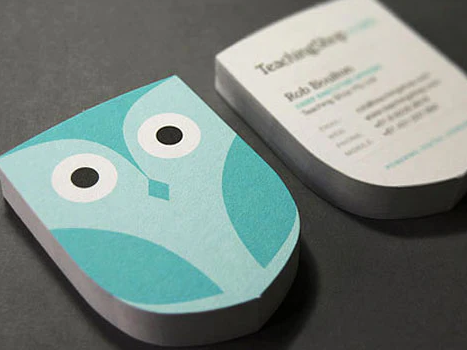
Die cutting uses a custom blade to cut printed material into non-standard shapes, moving beyond traditional rectangular formats.
What effect it creates
When to use it
Die cutting is ideal when shape is part of the creative concept or when a design needs to stand out physically on shelves or in hand.
Best suited formats
Selecting the right print finishing options depends on how the piece will be used and what impression it needs to create. Effective finishing techniques for print balance aesthetics, functionality and durability rather than relying on visual effect alone.
A practical way to choose is to consider:
Soft-touch lamination is often used for premium brand materials, while spot UV adds controlled emphasis to key visuals. Drip-off varnish introduces subtle texture variation, perforation adds usability, and die cutting delivers strong physical distinction when standard formats are not enough.
If you are planning a print project and want to discuss which finishing techniques would work best for your specific requirements, our Print and Finishing service page covers the full range of processes we offer, or you can get in touch with our team directly for advice tailored to your project.